Dental Crowns Southgate CA: Why Early Treatment Matters
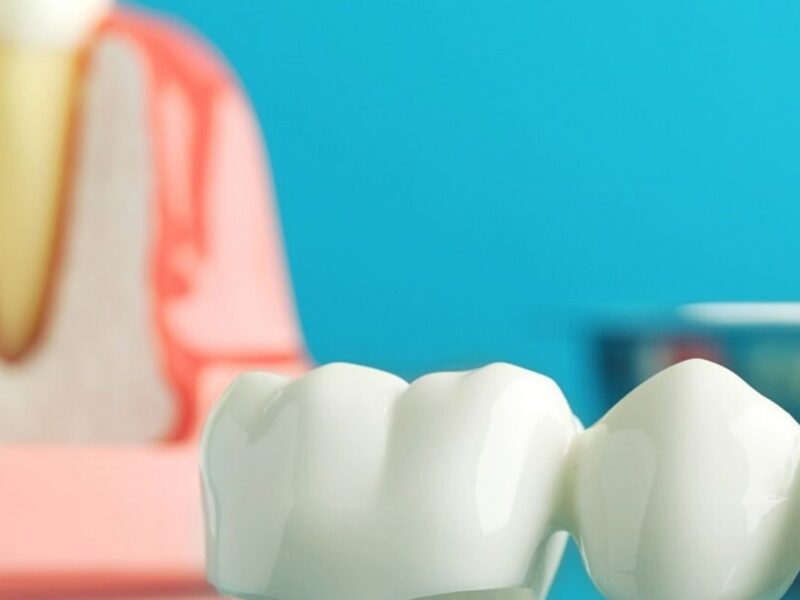
A dental crown is one of those treatments many people put off because the tooth is not hurting all the time, or because the damage seems small enough to watch for a while. In practice, that delay is often what turns a manageable repair into a larger, more expensive problem. A crown is not just a cap placed over a tooth for appearance. It is a structural restoration, designed to protect a weakened tooth, restore function, and keep everyday chewing forces from finishing the damage that already started.
Patients looking into Dental Crowns Southgate CA services often arrive at the same crossroads. A filling has failed, a crack has deepened, a root canal tooth needs coverage, or a heavily worn tooth is starting to break down. At that stage, timing matters. Teeth rarely repair themselves. Once enamel fractures, decay spreads under an old filling, or a cusp breaks, the problem tends to move in one direction.
Early treatment is not about rushing into work that is unnecessary. It is about recognizing the moment when a crown can preserve what you still have. That is a very different situation from waiting until the tooth becomes painful, infected, or no longer restorable.
What a crown actually does
A healthy tooth handles tremendous pressure. Molars can absorb hundreds of pounds of bite force in the right circumstances. That force is distributed through enamel, dentin, roots, and supporting bone. When part of that structure is compromised, the remaining tooth has to do more work with less support. A crown wraps around the visible part of the tooth and redistributes that stress.
This becomes especially important after large fillings. Many people are surprised to learn that a very large filling can weaken a tooth over time. Fillings are excellent restorations when enough natural tooth remains. But when decay or fracture removes too much structure, the tooth walls become thin and vulnerable. Biting on something hard, grinding at night, or even chewing on one side for years can eventually cause a cusp to split.
A crown changes that equation. It braces the tooth, seals vulnerable areas, and allows the bite to contact a stable surface again. In practical terms, that often means saving a tooth that would otherwise keep fracturing until extraction became the only realistic option.
Why people wait, and why that can backfire
Delay usually comes from understandable reasons. Cost is one factor. Time is another. Some patients feel fine and assume no urgency exists. Others have had a temporary chip for months and think the current issue is no different.
The challenge is that teeth do not always give dramatic warnings early on. A crack may start with only a slight zing on cold water. An old filling may leak around the edges long before there is a visible cavity. A tooth that had root canal treatment may not hurt much at all because the nerve tissue is already removed, yet the remaining tooth can still fracture.
One of the more frustrating scenarios in restorative dentistry is the patient who was told a crown would help six months earlier, waited because the tooth seemed stable, then returns after a larger break. At that point, the treatment plan can change entirely. Instead of a routine crown, the tooth may now need buildup, root canal therapy, gum treatment, or removal if the fracture extends too far below the gumline.
That is the core reason early treatment matters. It preserves options.
Small problems become complex very quickly
Teeth fail in layers. What begins as a minor issue often affects surrounding structures over time.
A cracked cusp can expose dentin, which is softer than enamel and more prone to wear and decay. Bacteria enter tiny openings and move deeper. A loose or aging filling flexes under pressure and creates microscopic gaps. A tooth that is already weakened can then break at dinner, on a popcorn kernel, or while clenching during sleep. Once that break runs vertically or reaches below the bone level, saving the tooth becomes far less predictable.
There is also a bite issue many patients do not notice. When one tooth is tender, people instinctively chew on the opposite side. That uneven pattern can strain nearby teeth, jaw muscles, and even the temporomandibular joint. A single untreated tooth can quietly change the way the whole mouth functions.
In everyday practice, early crown treatment often prevents three common escalations:
- a large filling turning into a fractured tooth
- a cracked tooth progressing to nerve inflammation and root canal treatment
- a repairable tooth breaking below the gumline and becoming nonrestorable
That list is short, but each item represents a major difference in cost, discomfort, and long-term outcome.
The warning signs worth taking seriously
Pain is not the only signal. In fact, some of the teeth most in need of crowns are only mildly symptomatic. A patient may describe the problem as occasional sensitivity, a funny pressure when biting, food trapping on one side, or the sense that a tooth feels "hollow" or different.
Those descriptions matter. A molar with an old silver filling that suddenly starts catching floss is not a tooth to ignore. Neither is a premolar with a visible line in the enamel and sharp pain when releasing a bite. Front teeth can also need crowns, especially after trauma or repeated bonding failures, though treatment choices there depend heavily on esthetics and the amount of remaining tooth.
When evaluating a tooth, dentists are not only looking at the visible surface. They consider how much healthy structure remains, whether the tooth has had prior treatment, where the bite hits, whether there are signs of grinding, and whether the crack pattern suggests future propagation. X-rays help, but they do not show every crack. Clinical judgment matters a great deal.
The difference between a crown now and a crown later
From the patient's perspective, a crown may sound like the same procedure no matter when it happens. Clinically, the timing changes the difficulty.
When treatment is done early, the dentist often works with a cleaner field and a more predictable margin. There may still be enough strong enamel and dentin to support a durable restoration. The gum tissue may be healthy. The nerve may still be calm. The appointment tends to be more straightforward, and the long-term prognosis is better.
When treatment is delayed, several variables can worsen. Decay may extend closer to the nerve. The fracture may undermine one side of the tooth. The margin may end up deeper near the gumline, making isolation and impression quality more difficult. In some cases, the tooth first needs a core buildup or crown lengthening to create a proper foundation. That means more appointments, more healing time, and more expense.
Patients are often relieved when they learn a crown can prevent future treatment. They are less relieved when they hear, after waiting, that the same tooth now needs endodontic therapy and a crown, or that extraction and implant treatment are more predictable than another attempt at repair.
Crowns after root canal treatment
One of the most important conversations in dentistry involves crowns after root canal therapy, especially on back teeth. Once a root canal is completed, the infection or inflamed pulp is treated, but the tooth itself is not magically strengthened. In fact, it is often more brittle because it has already lost substantial structure from decay, fracture, old fillings, and the access needed to perform the procedure.
A molar that has had root canal treatment and only receives a filling may hold up for a short time, but it remains at higher risk of splitting under chewing pressure. This is why crowns are so commonly recommended afterward. The crown is not an optional cosmetic extra in these cases. It is often the restoration that gives the tooth a real chance to survive functionally.
There are exceptions. Some front teeth with minimal structural loss may not need full crown coverage right away. But most heavily restored premolars and molars do.
Materials matter, but case selection matters more
Patients often ask which crown material is best. The honest answer is that the best choice depends on the tooth, the bite, the visible smile area, and the amount of room available.
Porcelain and ceramic crowns can look highly natural and are often preferred in visible areas. Zirconia is known for strength and is frequently chosen for posterior teeth or patients with heavy bite forces. Porcelain fused to metal crowns remain useful in certain situations, though all-ceramic options have become more common over time.
Material matters, but it is not the only issue. Even an excellent material performs poorly if the tooth was restored too late, if the margins are difficult to keep clean, or if severe grinding is left unaddressed. A beautifully made crown cannot reverse a vertical root fracture. That is another reason early intervention matters. It allows the dentist to place the right restoration on a tooth that is still fundamentally salvageable.
The financial side of waiting
Many people postpone crowns because they want to avoid a larger dental bill. That instinct makes sense. No one enjoys unexpected treatment costs. Yet delay often increases the total price of care, not just the clinical complexity.
Consider a realistic chain of events. A tooth with a cracked filling is advised for a crown. The patient waits. Months later, the tooth becomes painful while chewing. Evaluation shows a deep crack and pulp inflammation. Now root canal treatment is needed before the crown. If the crack extends too far, the tooth may need extraction instead. Replacing it with an implant, abutment, and crown or with a bridge is usually far more expensive than placing a crown when the tooth was first restorable.
Beyond direct fees, there are practical costs: time away from work, emergency visits, interrupted meals, and the stress of sudden dental pain. Planned treatment almost always feels easier than crisis treatment.
How the process usually works
For patients researching Dental Crowns Southgate CA, the procedure is typically less dramatic than they expect. If the tooth is being treated before severe complications set in, the process is fairly routine.
After examination and imaging, the tooth is numbed and shaped to create space for the crown. If a large portion is missing, a buildup may be placed first to support the final restoration. An impression or digital scan is then taken so the crown can be fabricated to fit the tooth and bite precisely. A temporary crown usually protects the tooth between visits, unless the office offers same-day crown technology in appropriate cases.
At the delivery appointment, the fit, contact, shade, and bite are checked carefully before the crown is cemented or bonded. A well-made crown should feel secure and functional, not bulky or high. Mild tenderness for a few days is not unusual, especially if the tooth had pre-existing irritation, but persistent pain or a bite that feels off should be adjusted promptly.
When early treatment is especially important
Some situations deserve quicker action because the risk of rapid failure is higher. Patients do better when they understand these red flags rather than waiting for a crisis.
- a tooth with a large filling that has started to crack or chip
- a back tooth after root canal treatment
- a tooth with pain on biting or on release of pressure
- a tooth with recurrent decay around an old crown or filling
- a visibly fractured cusp, even if discomfort is mild
These are not minor warning signs. They suggest the tooth is already under structural stress.
The role of habits and bite forces
A crown solves many problems, but it does not make a tooth indestructible. Night grinding, jaw clenching, chewing ice, using teeth to open packaging, and chronic acid exposure all affect longevity. In Southgate and similar busy communities, many adults juggle long workdays, commuting, stress, and interrupted sleep. It is common to see signs of clenching in people who had no idea they were doing it.
That matters because repeated force is one of the main reasons heavily restored teeth fail. A crown can protect the tooth, but if the patient continues to grind aggressively without a night guard, the restoration and surrounding teeth remain under heavy strain. Early treatment should include a wider conversation about why the tooth broke down in the first place. Otherwise, the same pattern may show up on another tooth a year later.
What good timing looks like in real life
A practical example helps. Imagine two patients with similar lower molars, both with old, large fillings and a visible crack line.
The first patient comes in after noticing occasional pain on granola and cold drinks. The tooth tests normally, the crack appears limited, and the surrounding gum tissue is healthy. The dentist recommends a crown. The crown is completed within a few weeks, and the symptoms settle. That tooth may function well for many years with proper care.
The second patient notices similar symptoms but waits until a chunk breaks off while eating. Now the tooth is painful to bite on, decay has crept under the old filling, and the crack extends deeper. The pulp is inflamed. Instead of one restoration, the patient may now need root canal therapy, buildup, crown, or, if the fracture goes too far, extraction and replacement. Same tooth category, same starting point, very different endpoint.
That difference is not rare. It is one of the most common patterns seen with crowns.
Choosing a provider matters too
Not every crown case is simple, and not every cracked tooth behaves predictably. When evaluating options for Dental Crowns Southgate CA, patients should look for a practice that emphasizes diagnosis, not just procedures. A thoughtful exam includes bite analysis, assessment of existing restorations, discussion of material choices, and a realistic explanation of the tooth's prognosis.
Good dentistry is not just about placing a crown that looks acceptable on the day it is cemented. It is about preparing the tooth conservatively but adequately, creating clean margins, managing the bite precisely, and being honest when a tooth's long-term outlook is guarded. Sometimes the best professional advice is that a tooth can be crowned, but the patient should understand the existing crack may still carry some risk. That kind of candor is valuable.
Aftercare and longevity
A crown can last many years, sometimes well over a decade, but longevity depends on maintenance and circumstances. Daily brushing and flossing matter because crowns can still develop decay at the margins where the restoration meets the tooth. Regular exams help catch small problems before they undermine the work. Bite guards, when indicated, can protect both crowns and natural teeth.
It also helps to be Dental Crowns Southgate CA realistic. A crown is a major restoration, not a factory reset for the tooth. The goal is to preserve function and structure for as long as possible. Early placement improves that chance because the underlying tooth is typically in better condition from the start.
Why early action gives you better odds
The strongest argument for early treatment is not fear. It is preservation. A crown placed at the right time can save natural tooth structure, maintain comfortable chewing, reduce the chance of emergency pain, and often prevent more Simple Dental South Gate Dental Crowns Southgate CA invasive treatment later. That is the heart of the issue.
People often think of dentistry in terms of symptoms. If it hurts, fix it. If it does not hurt, wait. Crowns do not fit neatly into that logic because they are often most valuable before the worst symptoms arrive. By the time a tooth is throbbing, swelling, or splitting apart, the window for simple treatment may already be closing.
For anyone weighing whether to move forward with a recommended crown, the better question is usually not, "Can I wait until it breaks more?" The better question is, "What am I protecting if I do this now?" In many cases, the answer is straightforward: you are protecting the tooth, the surrounding bite, your time, and your options.
That is why early treatment matters, and why timely care for Dental Crowns Southgate CA can make the difference between preserving a tooth and replacing one.
Simple Dental South Gate
Address: 8617 California Ave, South Gate, CA 90280
Phone number: +13236896118
FAQ About Dental Crowns Southgate CA
How much do crowns cost per tooth?
In the United States, a single dental crown typically costs between $800 and $2,500 per tooth without insurance. The ultimate out-of-pocket price depends heavily on the crown material, the location of the tooth, and whether you have dental insurance coverage.
What is the downside of crowns on teeth?
The primary downside of a dental crown is that the procedure permanently removes natural tooth enamel to shape the tooth for the cap.
Why do dentists push for crowns?
Dentists recommend crowns because a large filling cannot provide enough strength when a tooth loses a major portion of its structure or faces heavy chewing pressure.