What to Expect from High-Quality Dental Crowns Southgate CA
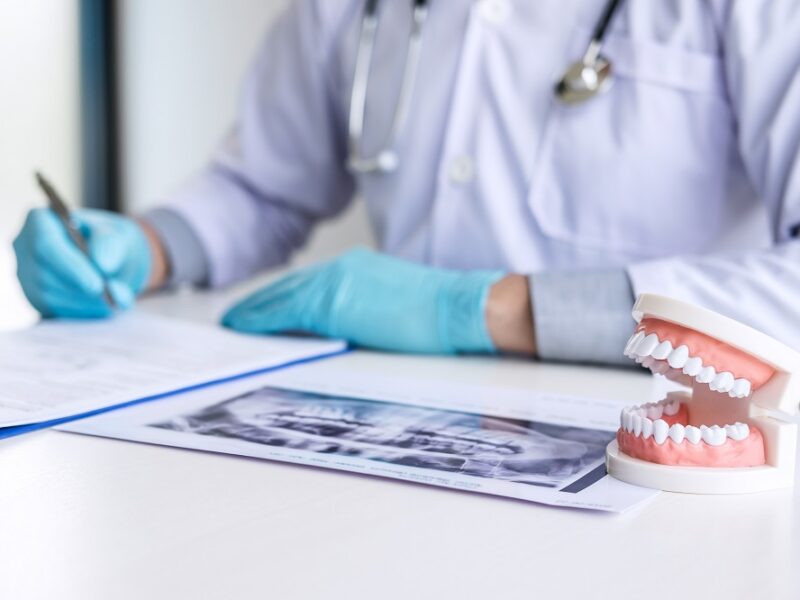

A dental crown sounds simple on paper. It is a cap that covers and protects a damaged tooth. In practice, the quality of that crown affects far more than appearance. It influences how you chew, how your bite feels at the end of a long day, how your gums respond over time, and whether the restored tooth stays comfortable for years or turns into a recurring source of irritation.
Patients looking into Dental Crowns Southgate CA often start with the same questions. Will it look natural? How long will it last? Will the procedure hurt? Why do prices vary so much? Those are fair questions, and the answers depend less on marketing language than on materials, fit, planning, and the skill with which the crown is designed and placed.
A high-quality dental crown should do three things at once. It should protect the Dental Crowns Southgate CA tooth, blend with the surrounding smile, and function so naturally that you almost forget it is there. When any one of those pieces is missing, people notice. The crown may feel high when biting, trap food at the gumline, look too opaque next to neighboring teeth, or chip far sooner than expected. Good dentistry is often quiet dentistry. It does not draw attention to itself because everything feels right.
Why crowns are recommended in the first place
Crowns are not a one-size-fits-all treatment, and they are not suggested lightly. In most practices, a crown comes into the conversation when a tooth has lost too much structure to be predictably restored with a filling alone. That may happen after a large cavity, a fracture, heavy wear, or a root canal. Sometimes the need is obvious, such as a molar with a visible crack line and pain when chewing. Other times it is more preventive. A back tooth may still be standing, but only because thin walls of enamel are hanging on. In those cases, a crown can keep the tooth from breaking in a way that is much more Dental Crowns Southgate CA expensive and difficult to repair later.
Front teeth can be a different story. A crown may be used there for strength, but esthetics often become equally important. If a tooth is discolored, previously restored, or misshapen from old trauma, the crown has to be durable without looking flat, bulky, or artificial. That is where material choice and laboratory craftsmanship matter.
What separates a high-quality crown from an average one
Most patients cannot judge a crown by looking at the tray or seeing a glossy image online. The difference reveals itself in the details after placement. A high-quality crown is built around precision. It fits the prepared tooth closely, meets the neighboring teeth properly, and follows the gumline without rough or overhanging edges. The bite is adjusted so the tooth carries normal chewing pressure rather than taking a damaging hit every time the jaw closes.
That sounds technical, but patients usually experience it in plain, practical terms. They notice that floss passes with a firm but natural snap. Food stops getting wedged in one spot. The crown does not feel “too big” against the tongue. Cold sensitivity, if present at all, fades rather than lingers. Most important, the tooth no longer makes them hesitate when eating on that side.
There is also the question of anatomy. On back teeth, a good crown is shaped with realistic grooves and cusps, not just smoothed into a generic mound. That anatomy helps guide chewing forces correctly. On front teeth, quality shows up in light reflection, translucency near the edges, and subtle color layering. Natural teeth are not a flat refrigerator white. They carry depth, warmth, and small variations that help a restoration disappear into the smile.
Materials matter, but only in context
Many people assume there is a single “best” crown material. There is not. There is a best material for a specific tooth, bite pattern, cosmetic goal, and budget.
Porcelain fused to metal crowns were once extremely common and still have valid uses, especially when strength is a concern and esthetics are not the top priority. The drawback is that metal can sometimes create a dark line near the gum over time, particularly if the gums recede.
All-ceramic and porcelain crowns are often chosen for visible teeth because they can mimic enamel beautifully. Zirconia has become popular because it offers impressive strength and can work well in both posterior and some anterior situations, depending on the type used and how it is characterized. Lithium disilicate is another strong esthetic option, especially where appearance matters and the bite allows for it.
What matters more than the sales pitch is whether the material fits the clinical situation. A patient who grinds heavily at night may need a different plan than a patient restoring a single front tooth with a stable bite. A crown that looks gorgeous in a photograph but is wrong for the patient’s bite can fail early. Experienced dentists weigh durability, thickness requirements, esthetics, and how the material behaves under pressure before making a recommendation.
The first appointment should feel thorough, not rushed
When patients pursue Dental Crowns Southgate CA, one of the clearest signs of quality is the diagnostic phase. Good crown work starts before any drilling begins. The dentist should evaluate the tooth, the surrounding gum tissue, the bite, and the reason the tooth failed in the first place. If a large filling fractured because of untreated grinding, simply covering the tooth without addressing bite forces may set up the new crown for trouble.
Radiographs help determine whether decay extends under old restorations, whether the root is healthy, and whether enough tooth structure remains to support a crown. In some cases, the tooth may need a buildup, a root canal, or even crown lengthening before a crown can be placed predictably. None of that is exciting to hear, but it is honest treatment planning. High-quality care sometimes means slowing down long enough to avoid avoidable failure.
The preparation itself should be careful and measured. Enough tooth structure must be reduced to allow proper material thickness, but not so much that healthy tooth is removed unnecessarily. That balance is part science, part hand skill, and part experience. If too little space is created, the crown may end up overcontoured or weak. If too much is removed, the tooth becomes more vulnerable.
Why impressions and scans are such a big deal
Crowns fail for many reasons, but poor records rank high on the list. Whether the office uses traditional impressions or digital scanning, the goal is the same: capture precise information about the prepared tooth, the neighboring teeth, and the bite.
Patients sometimes underestimate how much this step affects the final result. A tiny distortion in an impression can lead to a crown margin that is slightly open or a contact that is too tight. Digital scanning has improved consistency in many offices and can be more comfortable than trays full of impression material, but technology alone does not guarantee quality. The tooth still has to be prepared correctly, the field has to be dry, and the scan has to capture all critical details.
If gum tissue is inflamed or bleeding heavily around the prepared tooth, it becomes much harder to record the margin accurately. That is one reason some dentists reschedule or spend extra time managing the tissue rather than forcing a scan or impression through. It may feel inconvenient in the moment, but it often pays off in a better-fitting restoration.
Temporary crowns tell you more than you might think
A temporary crown is not just a placeholder. In a well-run process, it protects the prepared tooth, preserves spacing, and gives both patient and dentist useful feedback before the final crown arrives. If the temporary keeps popping off, feels too high, or irritates the gums, those details can hint at issues that need adjustment in the final design.
Patients often remember the temporary phase because it is when the tooth can feel most different. Some sensitivity is common, particularly to cold or pressure, but severe pain is not normal and deserves attention. A good office will explain what to expect and how to care for the temporary, including avoiding sticky foods and chewing hard items directly on that side when possible.
The way a dentist handles the temporary also says something about overall standards. A smooth, well-shaped temporary that protects the gumline and feels stable usually reflects careful technique. A rough one that traps food or falls out repeatedly often predicts a frustrating final experience.
How the final crown should feel on delivery day
When the final crown is tried in, appearance is only part of the evaluation. The dentist should check the fit at the margins, contact with adjacent teeth, and bite in multiple movements. Patients usually focus on shade, especially with front teeth, but function deserves equal attention.
A properly fitted crown should seat fully. Floss should pass through with resistance but without shredding. When the bite is checked, the crown should touch in a way that matches the overall bite pattern rather than taking the first and hardest hit. If a patient says, “It feels a little high,” that comment should be taken seriously. Even a small discrepancy can make a tooth sore or trigger jaw tension.
With front teeth, esthetic try-in can be more nuanced. Dentists may assess shape from conversational distance, not just under bright operatory lights. A crown can look acceptable under a lamp and still seem too opaque or too square in daylight. Good cosmetic dentistry pays attention to how the tooth reads in real life.
Signs you are getting a high-quality crown
Some indicators become obvious immediately, while others show themselves over the following weeks.
- The crown blends with your natural teeth in shape and color, especially if it is visible when you smile.
- Your bite feels balanced after adjustment, without a constant awareness of that tooth hitting first.
- The gum around the crown settles and stays healthy rather than remaining red, puffy, or tender.
- Flossing is firm but manageable, and food does not repeatedly pack around the area.
- The tooth becomes part of normal function again, instead of remaining a daily reminder that dental work was done.
Patients sometimes expect a crown to feel identical the second it is cemented. Realistically, many people need a few days for the tongue and bite to adapt. That said, adaptation should trend toward comfort. Ongoing pain, temperature sensitivity that worsens, or a bite that never feels settled should prompt reevaluation.
Cost differences usually reflect more than the crown itself
One of the most common questions around Dental Crowns Southgate CA is why one office’s fee can be noticeably different from another’s. Patients deserve a straight answer. Crown fees often bundle several variables: the exam and planning involved, imaging, the quality of materials, the laboratory used, whether advanced scanning technology is part of the process, and the amount of chairside time spent adjusting and refining the final result.
A bargain crown can become expensive quickly if it needs repeated adjustments, traps decay at the margin, or fails early. On the other hand, the highest fee in town does not automatically guarantee the best work. The more useful question is what the fee includes and how the office approaches diagnosis, fabrication, fit, and follow-up.
It is also worth remembering that insurance often frames treatment around benefit limits, not around ideal long-term care. Coverage may help, but it rarely tells the whole story of what is best for the tooth. Many patients in South Gate are balancing practical financial concerns with oral health needs, and a reputable office should be willing to explain options clearly rather than pushing a single path.
Local factors patients should keep in mind in South Gate
Every community has its own dental realities. In South Gate, many patients are juggling busy work schedules, family obligations, and delayed treatment caused by time pressure or cost concerns. That often means teeth are being evaluated later in the damage cycle. A crown on a tooth that has had years of heavy wear, old patchwork fillings, or postponed care may require more planning than the patient expected.
That does not mean the outlook is poor. It simply means quality matters even more. A rushed crown placed on a compromised foundation tends to expose every weak link, from underlying decay to bite imbalances. Thoughtful care can often save a tooth that looked close to hopeless, but only if the work starts with a realistic assessment.
When a crown might not be the right answer
There are situations where a crown is not enough, and pretending otherwise does patients no favors. If decay extends too far below the gumline, if the root is fractured, or if there is not enough healthy tooth left to retain the crown securely, another treatment may be more predictable. That could mean crown lengthening, a post and core after root canal therapy, or in some cases extraction and replacement.
There are also times when a crown is more treatment than a tooth needs. A smaller bonded restoration may preserve more natural structure if the damage is limited and the bite allows it. Conservative dentistry still matters. The best dentists are not the ones who crown everything. They are the ones who know when a crown is truly indicated and when another option serves the patient better.
Recovery and adjustment are usually straightforward
Most crown appointments are easier than patients fear. Local anesthesia does the heavy lifting during preparation, and post-appointment soreness is often mild. The gum may feel tender for a few days, and the tooth can be slightly sensitive, especially if it was already irritated before treatment. By the time the permanent crown is cemented and the bite is refined, most people are back to normal eating with a little common sense.
Chewing ice, opening packages with teeth, and grinding without a night guard remain bad ideas, even with strong materials. Crowns are durable, not indestructible. I have seen beautiful restorations last well over a decade with steady maintenance, and I have seen newer crowns chip or loosen early because the patient had untreated clenching or a habit of crunching hard objects.
How to help your crown last
The lifespan of a crown depends on more than the crown itself. Daily hygiene, bite forces, diet, and regular exams all matter. The margin where the crown meets the natural tooth is especially important because that is where recurrent decay can start. A crown cannot decay, but the tooth under it still can.
Here are the habits that make the biggest difference:
- Brush thoroughly along the gumline, not just the visible chewing surface.
- Floss daily and pay attention to whether the area starts catching food or bleeding.
- Wear a night guard if you clench or grind, especially if your dentist has recommended one.
- Keep recall visits so small problems, like cement washout or bite wear, are caught early.
- Call promptly if the crown feels loose, high, or newly sensitive.
One practical point patients appreciate: if floss repeatedly shreds around a crown, do not ignore it. That can signal a rough edge, excess cement, or an issue at the margin. Small signs often appear before larger problems.
What good communication from the dental office looks like
High-quality crown care is not only about the tooth. It is also about the patient experience. Clear communication matters from the first visit onward. You should understand why the crown is recommended, what material is being used, what alternatives exist, and what the expected timeline looks like. If the tooth has a guarded prognosis, that should be said plainly. If the dentist expects the crown to solve the issue predictably, that confidence should come with reasons, not vague reassurance.
The best offices also prepare patients for the normal range of sensations after treatment. They explain how the temporary should feel, when to avoid sticky foods, how long numbness may last, and when to call back. That level of communication prevents confusion and builds trust.
Choosing a provider for Dental Crowns Southgate CA
For patients comparing offices, credentials and technology matter, but they are not the whole picture. Pay attention to whether the dentist examines your bite carefully, explains treatment in specific terms, and discusses the condition of the tooth underneath the proposed crown. Notice whether the office talks about materials in a way that fits your case rather than selling one product as the answer for everyone.
Reviews can be helpful, especially when they mention fit, comfort, longevity, and how concerns were handled after placement. Before-and-after photos can show esthetic skill, but ask about function too. A crown that photographs well and bites poorly is not quality dentistry.
If you are looking for Dental Crowns Southgate CA, the strongest expectation to carry into the process is this: a good crown should feel like a restoration of normal life. You should be able to chew without guarding the tooth, smile without spotting the work from across the room, and leave with a clear understanding of how to maintain it. That is what high-quality crown treatment is supposed to deliver, not just a finished procedure, but a tooth that works again with comfort, stability, and confidence.
Simple Dental South Gate
Address: 8617 California Ave, South Gate, CA 90280
Phone number: +13236896118
FAQ About Dental Crowns Southgate CA
How much do crowns cost per tooth?
In the United States, a single dental crown typically costs between $800 and $2,500 per tooth without insurance. The ultimate out-of-pocket price depends heavily on the crown material, the location of the tooth, and whether you have dental insurance coverage.
What is the downside of crowns on teeth?
The primary downside of a dental crown is that the procedure permanently removes natural tooth enamel to shape the tooth for the cap.
Why do dentists push for crowns?
Dentists recommend crowns because a large filling cannot provide enough strength when a tooth loses a major portion of its structure or faces heavy chewing pressure.